.png?width=500&height=200&name=intelliwAIve-horizontal-green-icon-with-slogan-transparent%20(1).png)
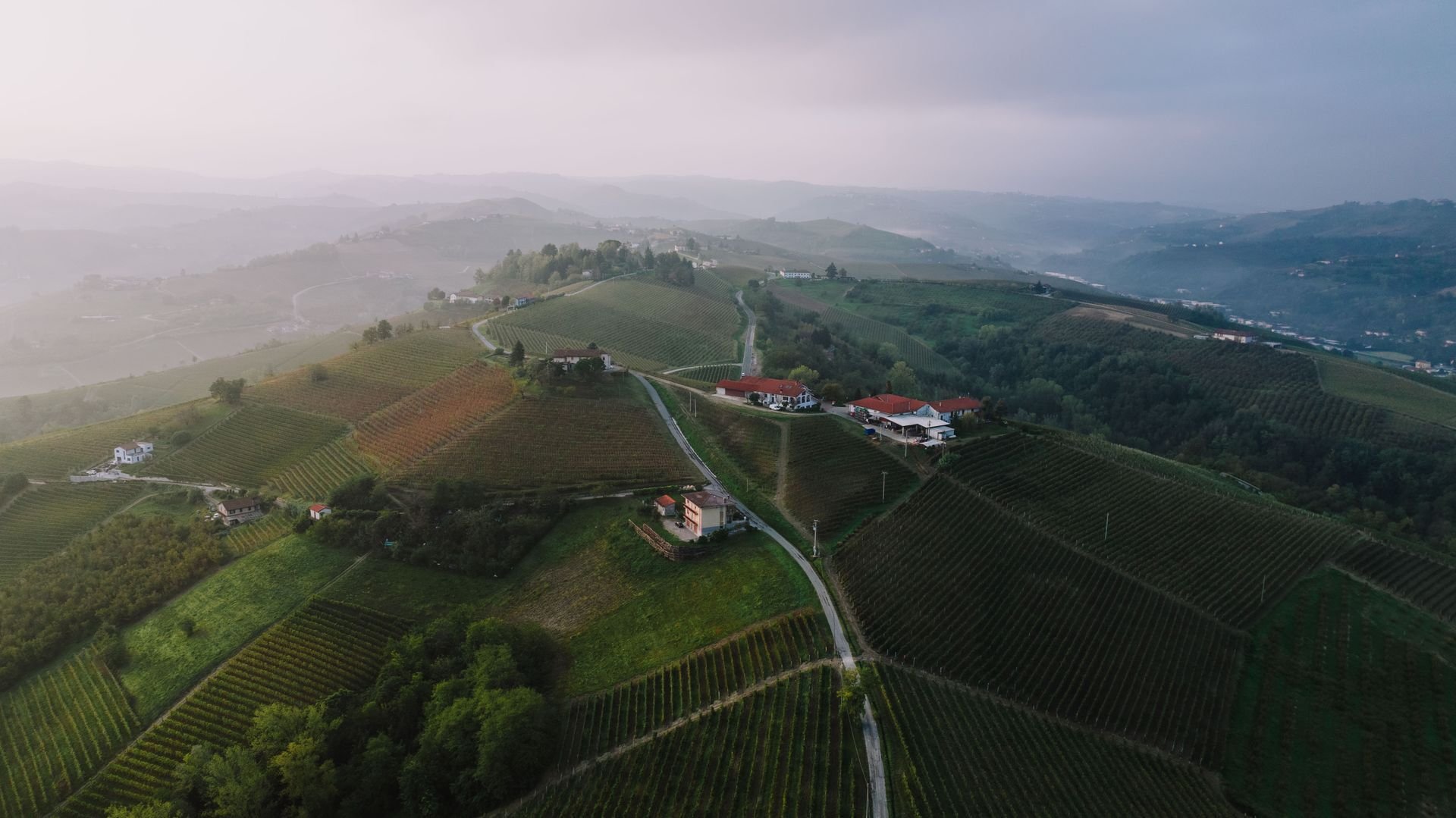
An operator and a winemaker, building the thing neither trade had.
intelliwAIve was founded by Troy Vertigan and John Belsham. One has spent his career deploying technology and AI inside operating businesses. The other has spent his making wine, designing wineries and advising the companies that make and sell it.
Applied AI and technical winemaking
Australia and New Zealand, from the start
Argued out against a real operation, not a whiteboard
vinwAIve, in market now
The hardest part of building an AI platform for an industry is not the AI. It is knowing which number actually matters, where it comes from, and who gets blamed if it is wrong. That knowledge is not researchable. You have to have lived it.
intelliwAIve was founded by Troy Vertigan and John Belsham. Troy is a technology leader and entrepreneur, and founder and CEO of the Australian AI consulting company AI Surge. John is a New Zealand winemaker who founded Foxes Island Wines in 1992 and leads the consultancy Wine Focus.
The company builds industry-specific AI platforms, and its first, vinwAIve, is built for the wine industry.
A wine business can tell you almost everything, except what it earns on a bottle.
Between us we kept meeting the same conversation. An owner who knew their volumes, their scores, their allocations and their brand position, and could not tell you which of their wines actually made money, or which blocks were carrying the ones that did not.
The tools existed. The model did not.
Every business we worked with had bought software, and increasingly had bought AI. What almost none of them had was a model that carried a cost from where it was incurred to the product that had to earn it back. Without that, an AI has nothing worth reasoning over, and it will still answer confidently.
The knowledge existed. It was not written down.
Winemakers and viticulturists carry an extraordinary amount in their heads. Which block runs hot, what a barrel programme really costs, which calls get made on feel. It works until the person leaves, the market turns, or a board asks for the number in writing.
So we built the missing middle, AI-first rather than AI-added. vinwAIve carries a cost from a named section of vineyard through to a margin ladder on a named wine, live, auditable, and open to anyone in the business at whatever depth their job requires. It is the first platform under intelliwAIve, and the architecture behind it is built for the industries that follow.
Two careers that had to meet for this to work.
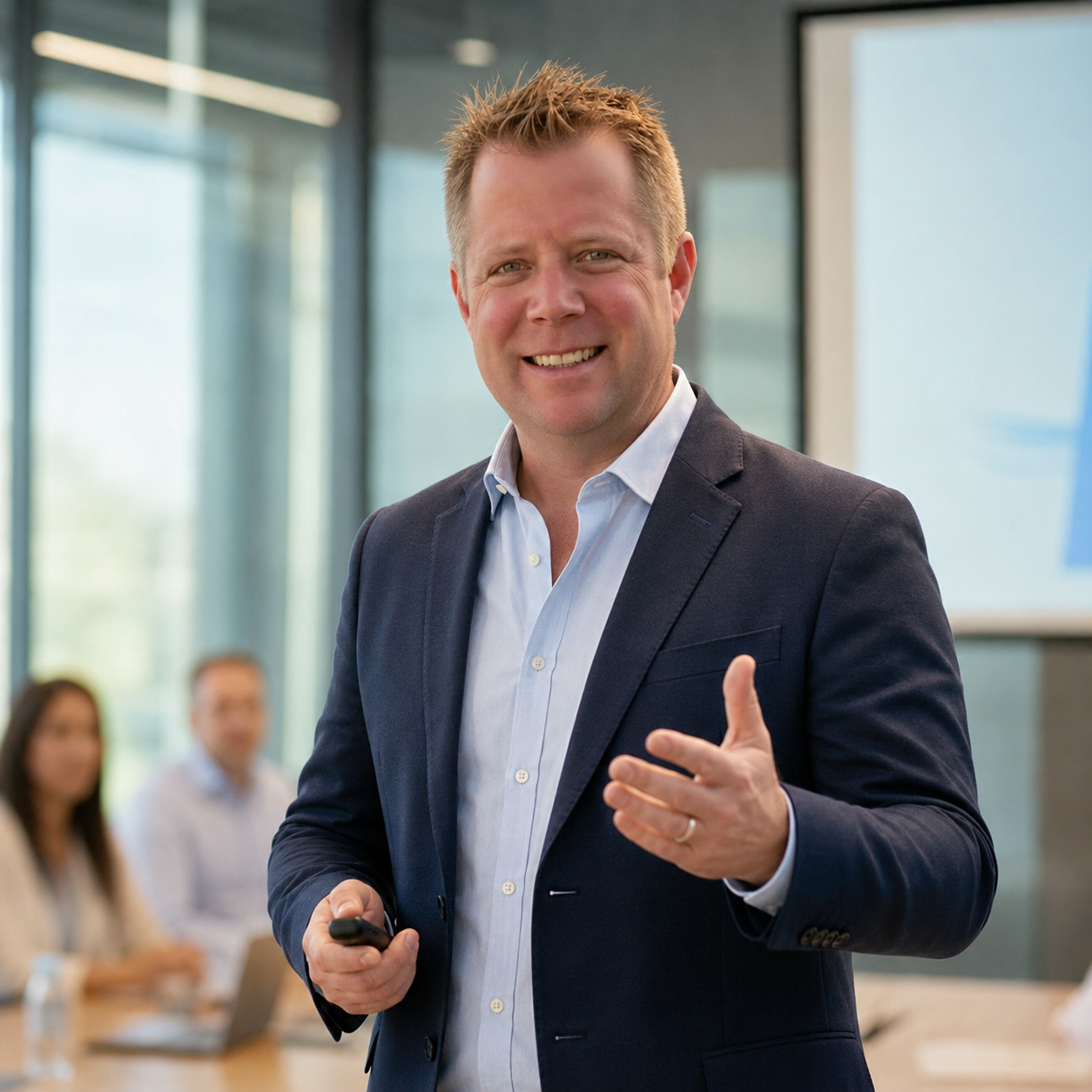
Troy Vertigan
Founder and CEO, AI Surge
Troy is a technology leader and entrepreneur who has scaled businesses across Australia, the United States and Europe, with commercial expertise across software, SaaS and AI.
He is the founder and CEO of AI Surge, an Australian AI consulting company that takes organisations from experimentation to deployed, governed AI inside their own workflows. That work spans manufacturing, industrial, mining, construction, agriculture, professional services and financial advisory, and it surfaces the same underlying problem every time: businesses with plenty of data and no model connecting operational activity to a commercial outcome.
His consistent position is that AI is only worth deploying where it changes a decision that shows up in the P&L. That is why intelliwAIve platforms start with unit economics rather than with an interface.
If a number does not change a decision, it does not belong on the screen.
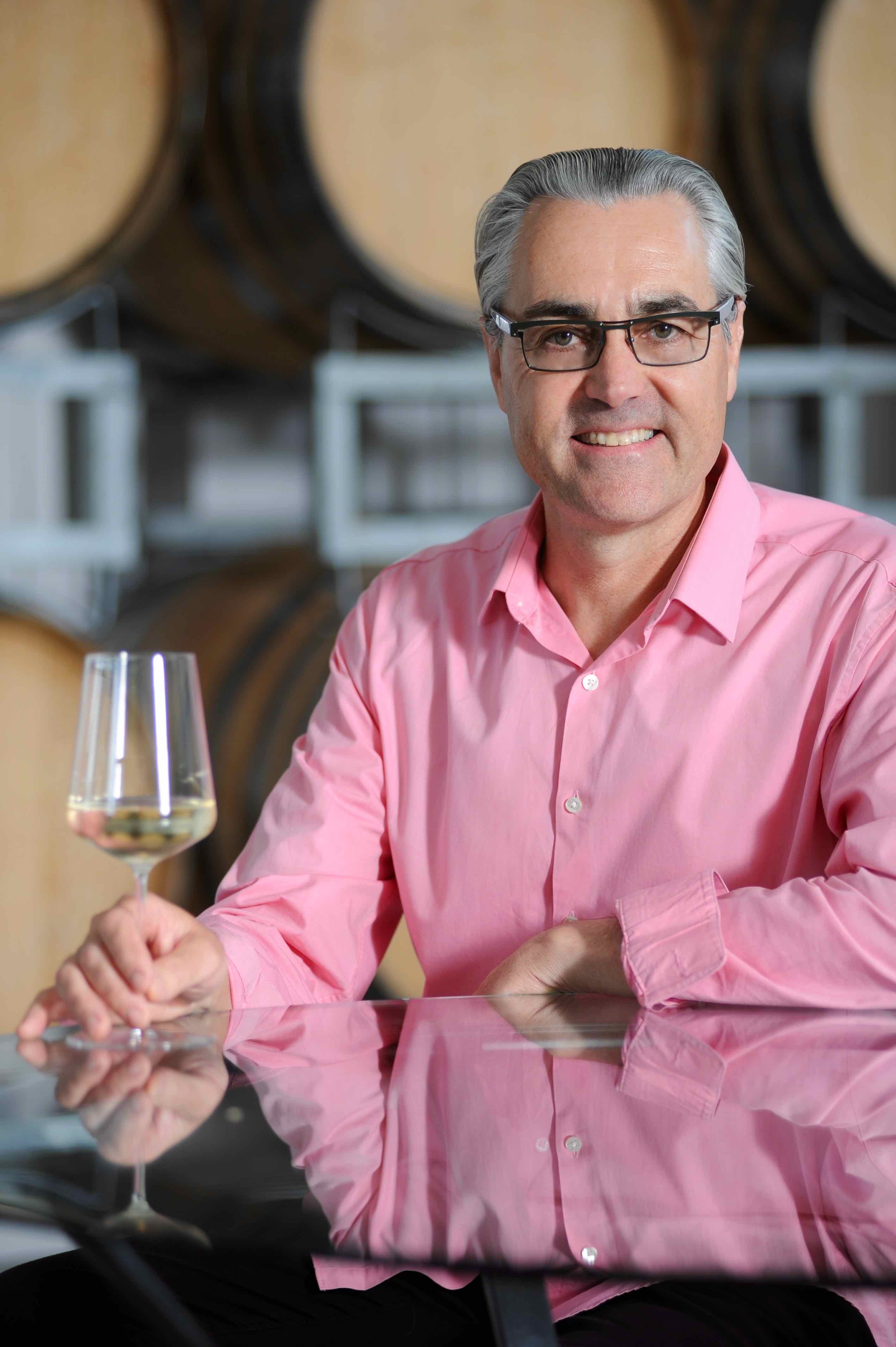
John Belsham
Founder, Foxes Island Wines and Wine Focus
John began his winemaking career in Bordeaux and is among New Zealand's most influential winemakers. In 1992 he founded Foxes Island Wines, one of the first New Zealand producers of single vineyard, cellar aged Chardonnay and Pinot Noir.
He leads Wine Focus, a consultancy covering business strategy, technical winemaking, sensory evaluation, mergers and acquisitions advisory and due diligence, and his work includes winery design, operational systems and water flow engineering across France, Australia and New Zealand. He is also the founder of Marlborough Oak Imports, the exclusive New Zealand representative for Tonnellerie Dargaud et Jaeglé.
John led the New Zealand Screw Cap Initiative, which moved 95 per cent of the country's wine industry from cork to screw cap within eighteen months, a change still studied internationally. He served as Air New Zealand's wine consultant for twenty years and as lead wine critic for Cuisine Magazine for sixteen, and is one of Australasia's most experienced wine judges. He is fluent in French and English and a regular commentator across international media and keynote events.
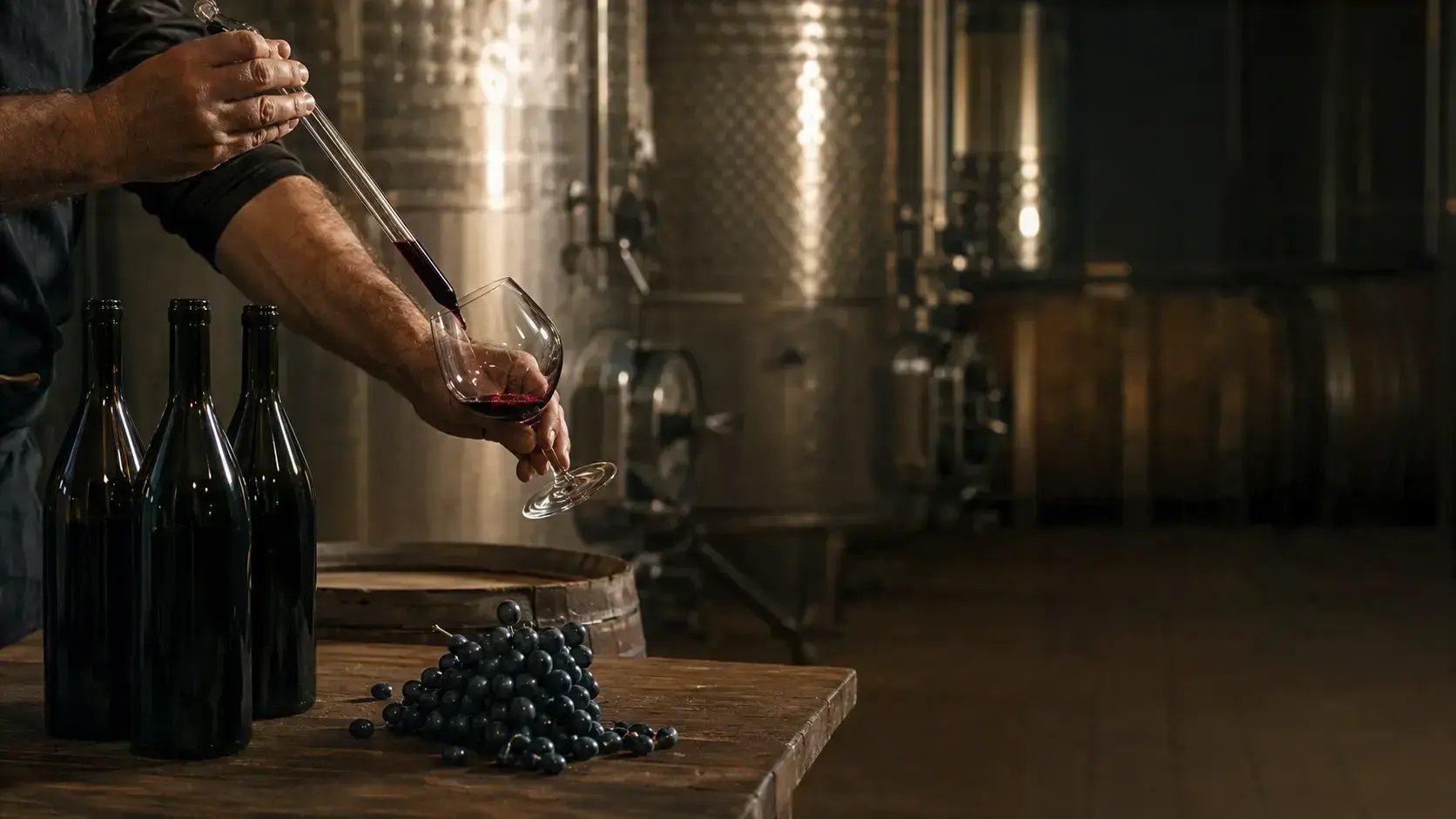
Inside vinwAIve, John owns the model itself. The costing logic, the recovery assumptions, the allocation of winemaking and packaging services and the definitions behind every parameter are his, which is why the platform behaves like a winery rather than like a spreadsheet with a wine label on it.
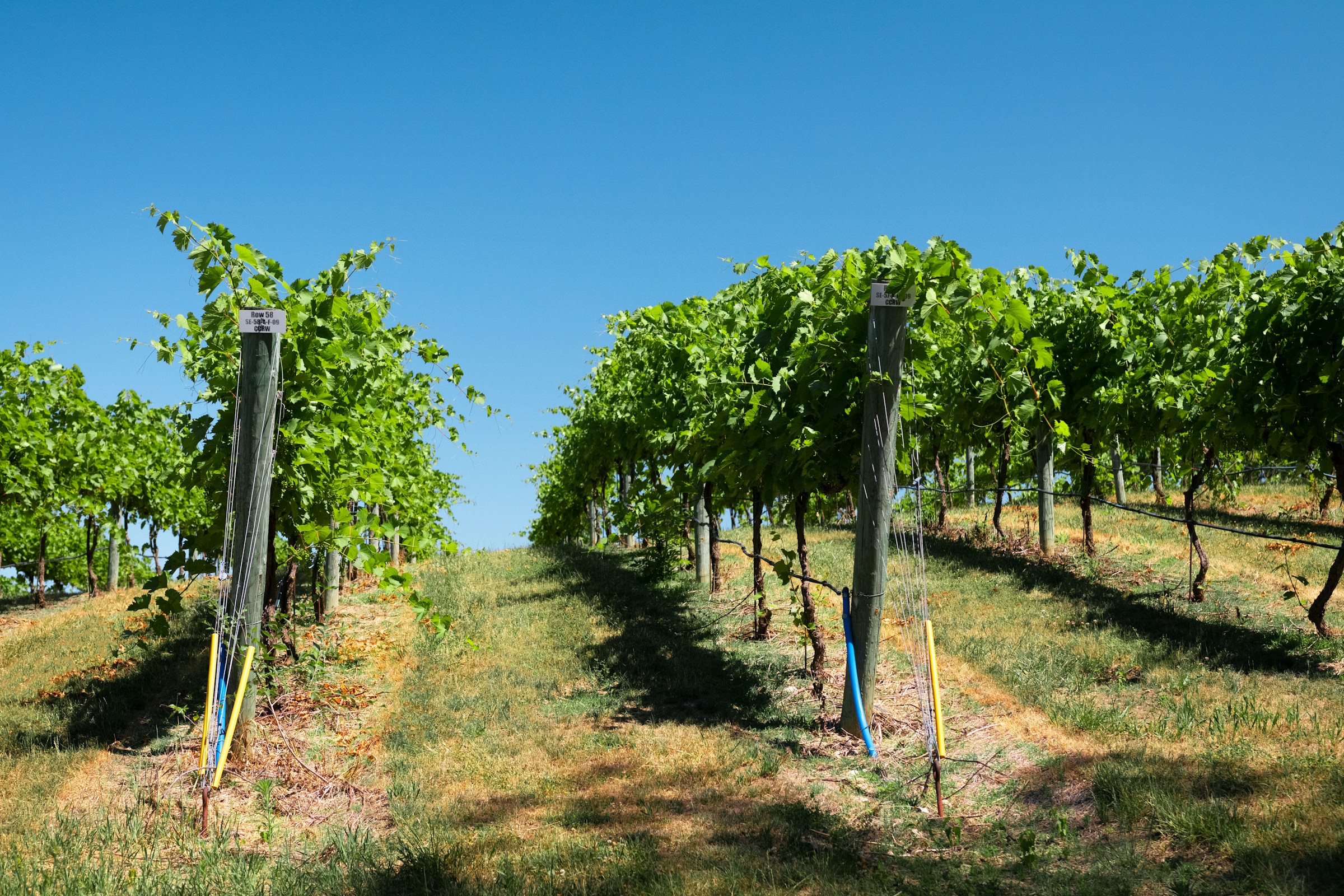
The quality of the wine is decided in the vineyard. So is most of the margin.
Industry software fails at the join, not at the code.
A technologist alone builds something elegant that a winemaker will not use, because it asks for data nobody has and reports a number nobody trusts. A winemaker alone builds a very good spreadsheet.
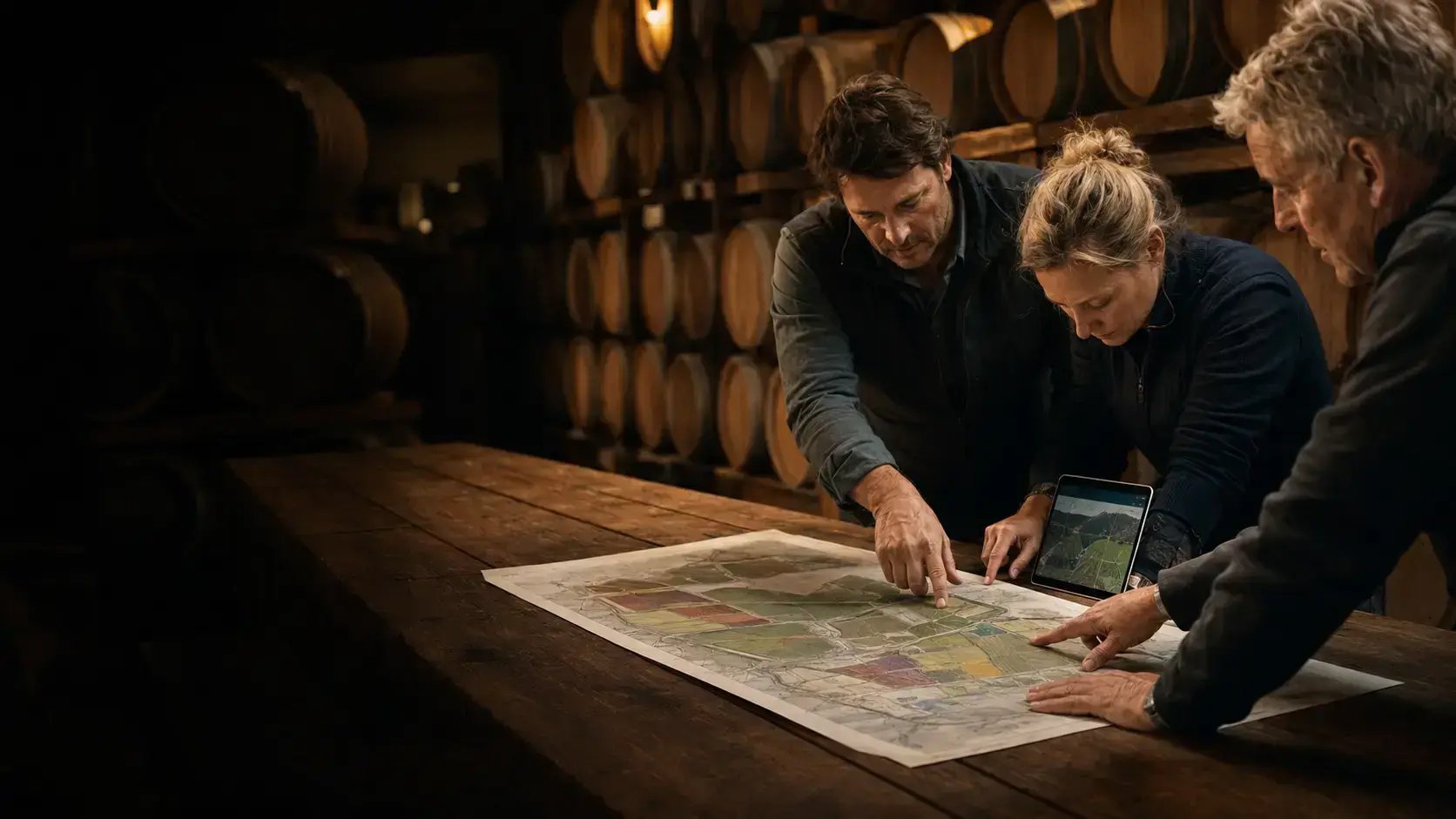
What makes vinwAIve work is that every modelling decision was argued out between someone who knows what the system can do and someone who knows what actually happens in a cellar in March. Where those two disagreed, the operation won.
That is also the template. Each intelliwAIve platform is built by pairing the architecture with somebody who has actually run the industry it is being built for.
Six things we decided early and have not moved on.
We connect, we do not replace
Your production system, your accounting software and your compliance tools keep doing their jobs. We sit above them. Nobody should have to rip out a system they have just finished implementing to answer a question about margin.
We build the model before the interface
Anyone can draw a chart. The work is deciding how a cost allocates, how tonnes become litres become nine litre equivalents, and how an operational event turns into a financial consequence. That comes first, every time.
We tell you what is not built yet
Our product pages carry a live status list, including the parts still in build. A buyer who discovers a gap in month three trusts you less than one who was told about it in week one.
We claim nothing we cannot show
No invented statistics, no borrowed case studies, no integrations described as working when they are linked portals. If we say a number, we will open the screen it came from.
We build it to be opened every day
A model nobody opens is a model nobody trusts. One navigation pattern the whole way down, so a grower, a winemaker and a chief executive use the same platform at their own depth, and nothing important hides behind training.
We start where the money is
Every capability has to trace back to a decision worth making. If we cannot explain what it is worth in margin, yield, time or risk, we do not build it.
Three conversations we always make time for.
Show us your last vintage
Bring the numbers you already have and we will model them through to margin per nine litre equivalent, per wine product. You keep the findings either way.
Test the framework on us
If the cost per bottle question is one your clients cannot answer, we want your professional judgement on the costing framework and the margin ladder before we put it in front of more boards.
Tell us where your data breaks
If your industry runs on fragmented operational and financial data, and the decisions that move your margin are made on partial information, that is the exact problem we exist to solve.
What people ask about the founders and how intelliwAIve works.
Who founded intelliwAIve?
intelliwAIve was founded by Troy Vertigan and John Belsham. Troy is a technology leader and entrepreneur who has scaled businesses across Australia, the United States and Europe, and is founder and CEO of AI Surge, an Australian AI consulting company. John began his winemaking career in Bordeaux, founded Foxes Island Wines in 1992 and leads the consultancy Wine Focus. One has spent his career deploying technology and AI inside operating businesses, the other making wine, designing wineries and advising the companies that make and sell it.
Who is John Belsham?
John Belsham is among New Zealand's most influential winemakers. He founded Foxes Island Wines in 1992, one of the first New Zealand producers of single vineyard, cellar aged Chardonnay and Pinot Noir, and leads Wine Focus, a consultancy covering business strategy, technical winemaking, sensory evaluation and mergers and acquisitions advisory. He led the New Zealand Screw Cap Initiative, which moved 95 per cent of the country's wine industry from cork to screw cap within eighteen months, served as Air New Zealand's wine consultant for twenty years and was lead wine critic for Cuisine Magazine for sixteen.
Who is Troy Vertigan?
Troy Vertigan is a technology leader and entrepreneur with commercial expertise across software, SaaS and AI, and has scaled businesses in Australia, the United States and Europe. He is the founder and CEO of AI Surge, an Australian AI consulting company that takes organisations from AI experimentation to deployed, governed systems inside their own workflows, across manufacturing, industrial, mining, construction, agriculture and professional services.
Why does intelliwAIve pair a technologist with an industry operator?
Because industry software fails at the join, not at the code. A technologist working alone builds something elegant that asks for data nobody has and reports a number nobody trusts. An operator working alone builds a very good spreadsheet. Every modelling decision inside vinwAIve was argued out between someone who knows what the system can do and someone who knows what actually happens in a cellar in March, and where the two disagreed the operation won.
Who builds the cost model inside vinwAIve?
John Belsham owns the model. The costing logic, the recovery assumptions that convert tonnes to litres to nine litre equivalents, the allocation of winemaking and packaging services, and the definitions behind every parameter are his. That is the reason the platform behaves like a winery rather than like a spreadsheet with a wine label on it.
Where is intelliwAIve based?
intelliwAIve operates across Australia and New Zealand, which is also the first market for vinwAIve. The founders are based in the region, which means implementation, support and the working relationship all sit in the same time zone as the customer.
What does intelliwAIve believe about AI in operating businesses?
That AI is only worth deploying where it changes a decision that shows up in the profit and loss. Given no economic model to reason over, a very capable system will reason fluently over the wrong structure and answer with total confidence. So we build the model first and the AI platform on top of it, and if we cannot explain what a capability is worth in margin, yield, time or risk, we do not build it.
Come and argue with the model.
The fastest way to understand what we have built is to put your own operation against it. Bring a question your current systems cannot answer and we will show you where the answer lives.
vinwAIve, live in wine
The cost and margin engine the pairing produced, block to bottle to ledger.
Explore vinwAIve → The roadmapIndustries we build for
The four tests an industry has to pass before we build for it.
See the criteria → The companyAI platforms, one industry at a time
The architecture behind every platform and why we build them this way.
Back to the homepage →